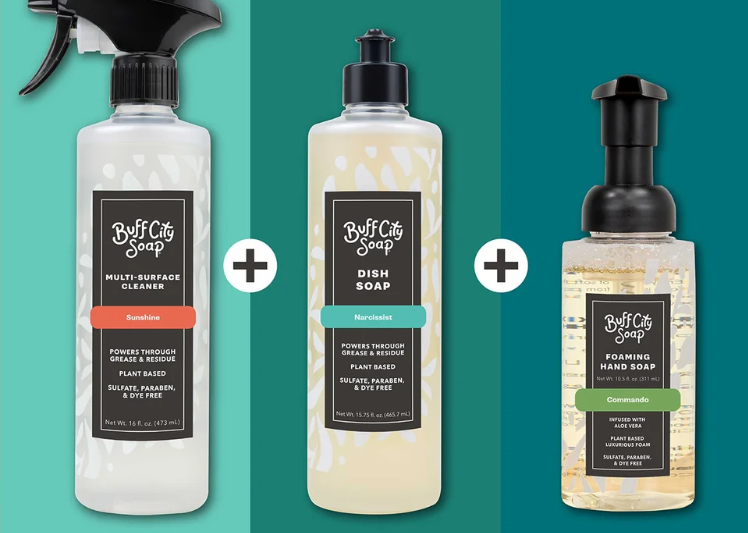
$1O BUILD YOUR BUNDLE
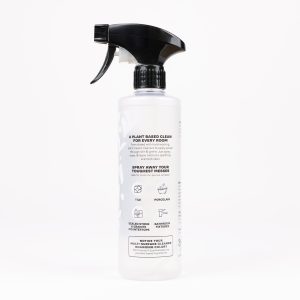
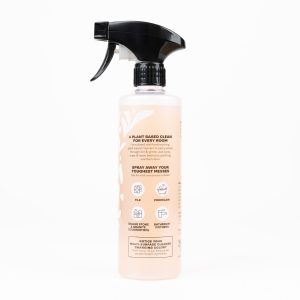
Choose your favorite Dish Soap,Multi-Surface Cleaner,& Foaming
Hand Soap!

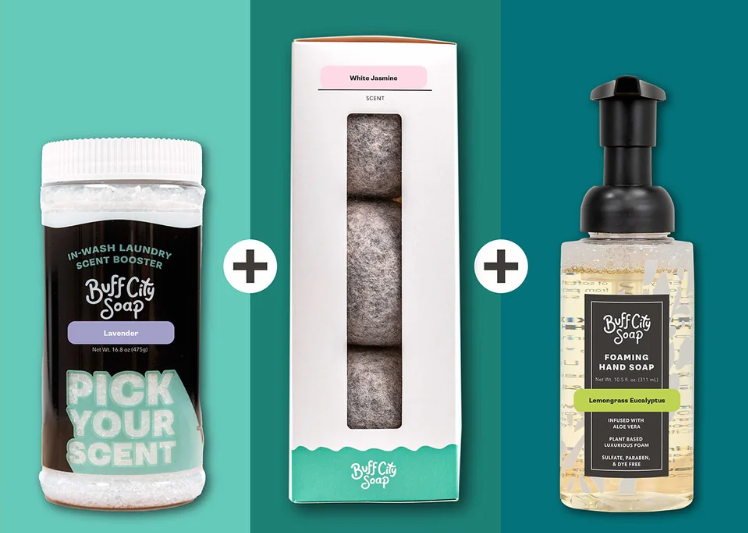
NEW& POPULAR
New Products
New Products
New Products
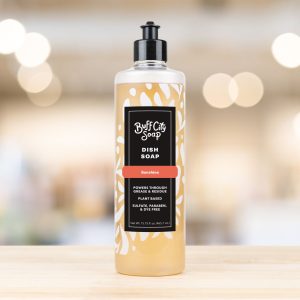
New Products
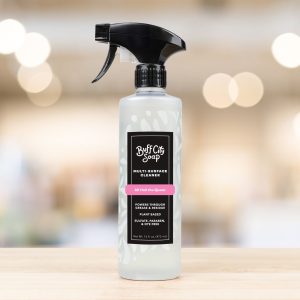
New Products
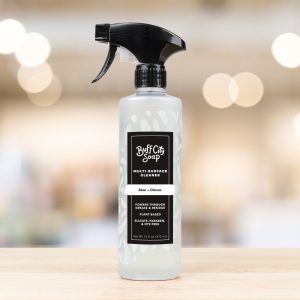
New Products
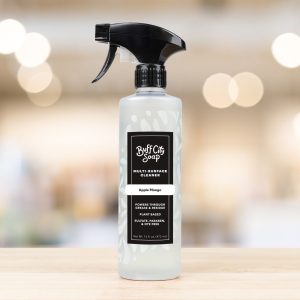
New Products
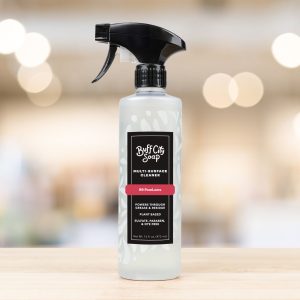
New Products
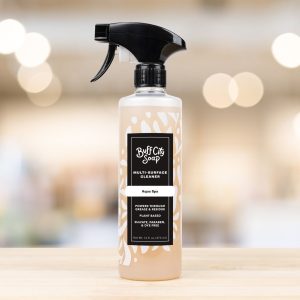
New Products
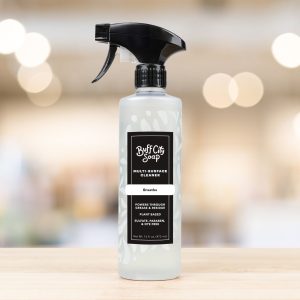
New Products
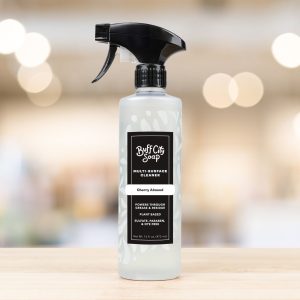
New Products
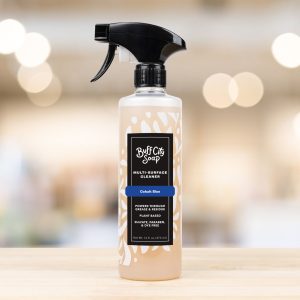
New Products
SHOP BY CATEGORY
Understanding the Chemistry of Clean
At its core, the act of cleaning is a complex series of chemical reactions designed to break the bond between a surface and a foreign substance. To truly master home maintenance, one must understand how different solutions interact with various types of debris. Most household tasks involve dealing with organic matter (oils and proteins) or inorganic matter (mineral scales and rust).
The Role of Surfactants
The most critical component in almost any liquid cleaner is the surfactant, or surface-active agent. These molecules are unique because they possess a dual nature: a hydrophilic (water-loving) head and a hydrophobic (water-fearing) tail. When applied to a greasy surface, the hydrophobic tails attach themselves to the oil, while the hydrophilic heads remain in the water. This process creates a “micelle,” a spherical structure that traps the oil in the center, allowing it to be rinsed away by water. Without surfactants, water would simply bead up on top of grease due to surface tension.
pH Levels and Their Practical Application
The effectiveness of a cleaning agent is largely determined by its position on the pH scale. Understanding this scale is the difference between a pristine finish and permanent damage to home surfaces.
Alkaline Solutions: Most general-purpose cleaners fall on the alkaline side of the scale. High alkalinity is particularly effective at breaking down fats, oils, and waxes. This is why heavy-duty degreasers often have a high pH. They work by saponifying fats—essentially turning the grease into a soap-like substance that dissolves in water.
Acidic Solutions: On the opposite end, acids are necessary for dissolving mineral deposits. Calcium, lime, and rust are common issues in bathrooms and kitchens. Because these deposits are alkaline in nature, an acidic cleaner provides the necessary reaction to break them down.
Neutral Cleaners: For delicate surfaces like natural stone or hardwood, neutral pH cleaners are preferred. These rely more heavily on surfactants than on aggressive chemical reactions to ensure the integrity of the material is not compromised.
The Mechanics of Disinfection
Cleaning and disinfecting are often used interchangeably, but they represent different chemical processes. Cleaning is the physical removal of dirt, while disinfecting involves the inactivation of microorganisms. Most modern disinfectants use oxidative processes to break down the cell walls of bacteria or the protein coats of viruses. This requires “dwell time”—the period the solution must remain wet on the surface to be effective.
Solvents and Their Lifting Power
In cases where surfactants and pH adjustments aren’t enough, solvents are introduced. Solvents are liquids that dissolve other substances. In the home, these are often used for removing adhesives, ink, or heavy wax buildup. They work by infiltrating the molecular structure of the stain and thinning it out until it can be wiped away.
Conclusion
By understanding the interaction between surfactants, pH levels, and solvents, a homeowner transforms from a casual cleaner into a specialist. Knowing exactly which molecular tool to use for a specific type of soil ensures that the home remains not only aesthetically pleasing but structurally sound for years to come.